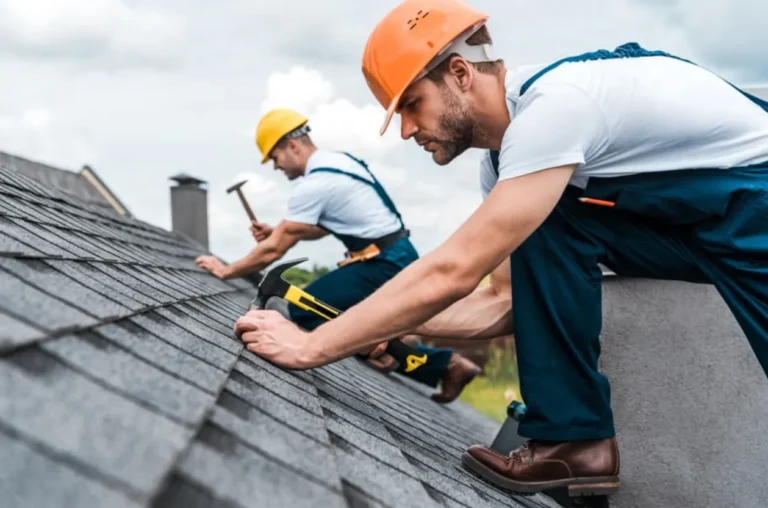
When a roof starts to look tired or develops a leak, many homeowners assume the worst: that the whole thing needs replacing. A full roof replacement is a big job and a big expense. But in many cases it is not necessary. A roof restoration can repair damage, refresh the appearance and extend the life of your existing roof for a fraction of the cost.
The key is knowing the difference between a roof that needs some care and one that has reached the end of its life. Here are the signs that point towards restoration, and the signs that suggest it may be time for something more.
What is roof restoration?
Roof restoration is a process that repairs and renews an existing roof. Depending on the roof type and condition, it may include:
- Cleaning the roof to remove dirt, moss, lichen and mould
- Replacing broken or cracked tiles
- Repairing or replacing damaged ridge capping
- Rebedding and repointing ridge caps on tiled roofs
- Treating rust and replacing damaged sheets or screws on metal roofs
- Repairing flashings and valleys
- Applying protective coatings and sealers
The result is a roof that looks refreshed and is better protected against the weather.
Signs your roof is a good candidate for restoration
Faded or worn appearance
Years of sun, rain and salt air can leave a roof looking dull and patchy. If the roof is structurally sound but simply looks old, restoration can bring back its colour and give the whole home a lift. This can be especially valuable if you are planning to sell.
Moss, lichen and mould
Growth on a roof is more than a cosmetic issue. Moss and lichen hold moisture against tiles, which can speed up deterioration and block water from flowing freely. Cleaning and treating the roof as part of a restoration removes the growth and helps prevent it returning.
Cracked or broken tiles
A few cracked or broken tiles do not mean the whole roof is failing. Damaged tiles can be replaced individually, often with matching or similar tiles, as part of a restoration.
Damaged ridge capping and pointing
On tiled roofs, the ridge caps along the peaks are held in place with bedding and pointing. Over time, this material can crack and crumble, allowing water in and making ridge caps loose. Rebedding and repointing is a common restoration task that restores the seal.
Minor leaks
Small leaks are often caused by specific problems, such as a cracked tile, a gap in the flashing or damaged pointing. These can usually be found and repaired without replacing the entire roof.
Surface rust on metal roofs
Light surface rust on metal roofing can often be treated, primed and recoated. Catching rust early stops it from spreading and compromising the sheets.
Blocked or damaged gutters and valleys
Leaves and debris in gutters and valleys can cause water to back up under the roof. Cleaning, repairing and sealing these areas is a common part of restoration work.
Signs replacement may be the better option
Restoration is not the answer in every case. You may need replacement, or at least partial replacement, if you notice:
- Widespread structural damage. Sagging rooflines or damaged roof framing need attention beyond surface repairs.
- Extensive rust. Metal sheets that are rusted through in many areas may be beyond repair.
- Severe, repeated leaks. Ongoing leaks in many places can indicate the roof covering has failed.
- Brittle, crumbling tiles across the roof. If tiles are breaking under light pressure everywhere, restoration may not be worthwhile.
- Previous patch repairs that have failed. A roof with many failed repairs may need a more permanent solution.
A professional inspection is the only way to know for sure.
Why coastal roofs need extra attention
Homes in coastal areas such as Tweed Heads face some extra challenges. Salt in the air can speed up corrosion of metal roofs, fixings and flashings. High humidity encourages moss and mould, and summer storms test every weak point in a roof.
Regular inspections and maintenance help catch problems early, before small issues turn into costly repairs. Coatings designed for coastal environments can also offer added protection.
The benefits of restoration
Choosing restoration over replacement can offer several benefits:
- Lower cost compared with a full replacement
- Less disruption, as the existing roof stays in place
- Improved appearance, which can boost street appeal and property value
- Better weather protection, as leaks and weak points are repaired
- Longer roof life, delaying the need for replacement
How often should a roof be checked?
It is a good idea to have your roof checked periodically and after major storms. You can also keep an eye out for warning signs yourself, such as water stains on ceilings, damp patches, visible broken tiles, rust or growth on the roof.
Avoid walking on the roof yourself, as it can be dangerous and may cause further damage. Use binoculars from the ground, or leave it to a professional.
Getting expert advice
The best way to decide between restoration and replacement is to get an inspection from an experienced roofing team. They can assess the condition of the tiles or sheets, flashings, ridge capping and structure, and recommend the right approach.
If you live in the area, a specialist in Roof Restorations Tweed Heads homeowners use can inspect your roof and explain your options clearly.
Act early
Many roof problems start small. A cracked tile or a little rust can become a much larger issue if left alone. By spotting the signs early and choosing restoration where it makes sense, you can protect your home, save money and keep your roof in good shape for years to come.
