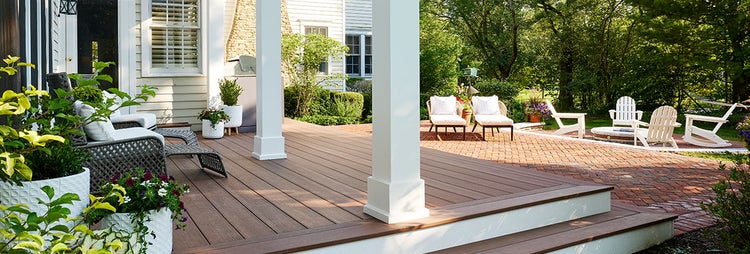
Most deck owners only care about what’s on the surface. Deck boards may be a little faded, there may be splinters here and there, and perhaps it’s just turning that lovely shade of grey timber often does over years. But what most people don’t realize is that their deck surface is, essentially, talking to them and understanding what it’s saying can prevent thousands of dollars’ worth of repairs down the line.
Think of deck surfaces like a check engine light in your car. Those visual components are not just pesky things to deal with when you feel like it. More often than not, they’re early warning signs of something more complex taking hold within the timber structure beneath.
Grey Isn’t Always Just Grey
That silvery-grey color that creates a lovely patina is not always the natural aesthetic choice people assume it to be when weathering occurs. Yes, some greying is absolutely just natural oxidation on the timber surface, UV rays breaking down lignin, but if that grey occurs with a fluffy, fibrous texture, something else is happening.
Fungus is creating surface fibers that are deteriorating. Rain gets caught in those fibers and the disheveled look of the wood, sun dries them out, and then more rain accumulates, it’s a vicious cycle that ruins the outer protective layer of wood, and once that happens, moisture penetrates exponentially faster. Eventually, water works its way into the grain of your boards, creating rot and deterioration, neither of which happens quickly or within sight.
Professional Deck Restoration works to fix what’s seen and the subsequent moisture issues that occur when deck surfaces fail over time.
Cracks Mean Different Things
Not all cracks are the same. A small surface check, those almost invisible cracks across grain lines, come from timber expanding and contracting with temperature changes. They’re fairly normal and not such a big deal.
However, deep cracks running down boards along their lengths? Pay attention to those. They usually mean moisture has penetrated deep into the timber and wood is splitting from the inside out as it dries unevenly, and these cracks are highways for water to get further down in your deck structure.
The worst ones are near fasteners or on the edges of boards. They signal the timber around screws or nails deteriorated, which means how your deck is held together is compromised. It may look fine on top, but it also might be barely holding on by its connection points at the bottom.
Soft Spots and Springy Decks
Pay attention to how it feels to walk on your deck. It should feel solid and stable if well-maintained. If certain boards feel spongy or spring more than others, those are signs from your deck that say something’s not right.
Typically, springiness means one of two things: either that specific board has started to rot from moisture damage making it weaker, or the joists and supports underneath it are rotting as well. Either scenario needs attention before someone has a foot go through a board because they weren’t paying attention to those hints.
This is compounded by the reality that early stage rot doesn’t happen above, it’s below. The top can look good while the underside or supporting structure have already succumbed to compromised quality. This is why the reaction of a deck board when someone walks on it is a telling factor.
Stain Patterns Have Their Own Language
Dark patches or streaks on boards aren’t only ugly, they’re signs of moisture patterns. Dark stains suggest puddling or slow drainage, which means that area is staying wet for longer than average. Repeated moisture exposure in certain regions expedites timber breakdown in those exact places, and while they seem structurally sound on top, they’re rotting from within.
Eventually, those dark patches become the first spots where rot occurs. Green or black patches? Even worse, mildew or mold growth from moisture retention over time, that type of growth needs moisture to thrive. If it thrives on your deck surface, then surfaces below are absolutely retaining water as well, and this expedites extensive decay.
The Connection Between Surface Damage and What’s Beneath
What’s important to note about these warning signs on surface decks is that they’re almost universally connected through moisture dynamics, and they all suggest what’s going to happen to your deck from the inside out, which inevitably can cause more damage than occurs from what’s visible at first glance.
When boards start showing more than one warning sign (grey and funky texture, deep cracks, soft spots, staining), it’s time to investigate what’s going on underneath with supporting structure; ignoring them will not make them go away, they’ll just get more costly to repair once they’re visible.
Your deck is already telling you what it needs, you just have to pay attention to the messages before they grow into structural repairs that take considerable time and effort.
