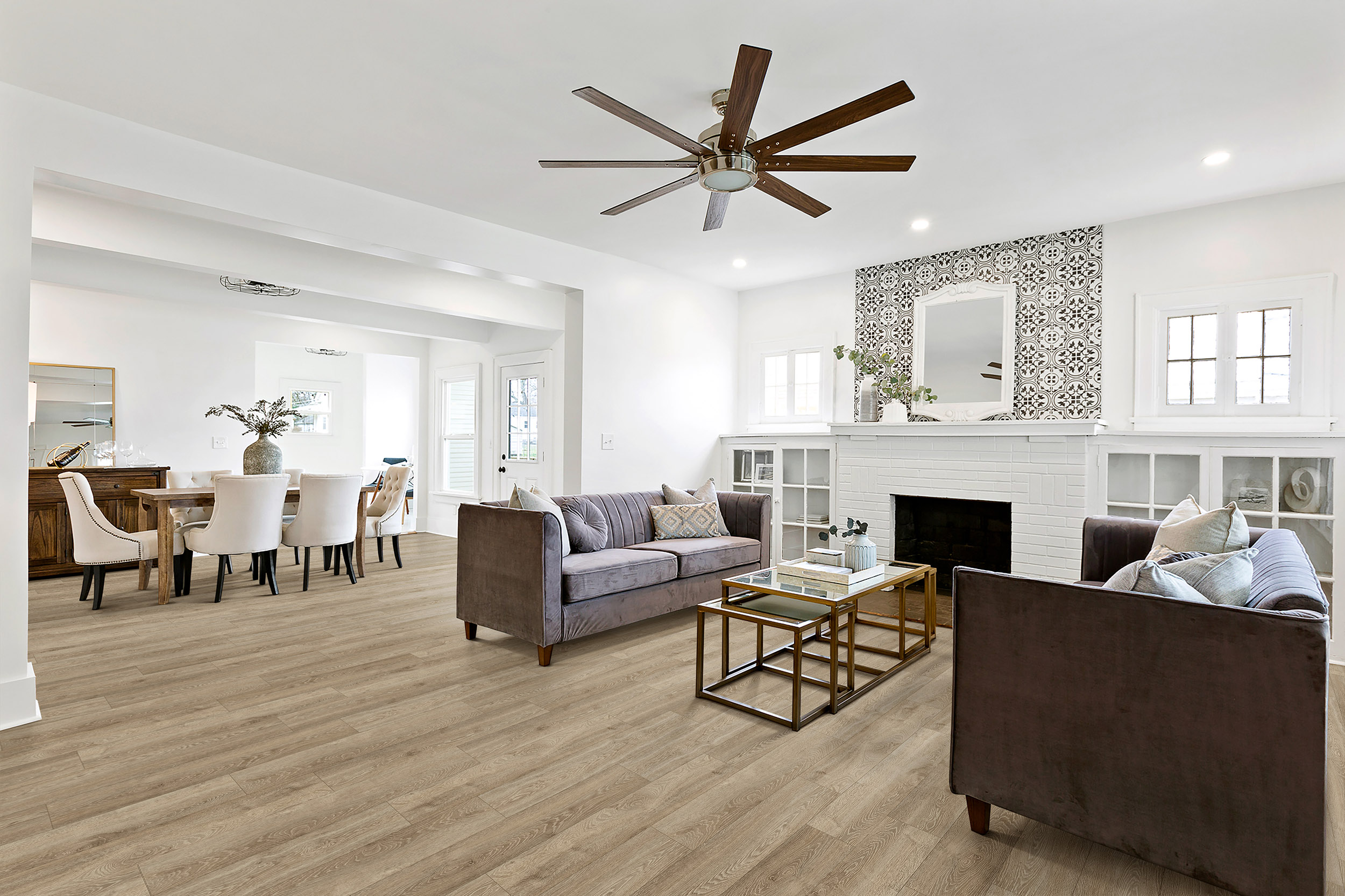
Flooring is more than just a surface you walk on—it defines the look, comfort, durability, and functionality of a space. Whether you are designing a new home or renovating an existing one, selecting the right flooring plays a major role in long-term satisfaction. From aesthetics to maintenance, every flooring choice brings its own strengths and limitations.
Why Flooring Matters in Interior Design
The right flooring creates harmony between furniture, lighting, and wall finishes. It also affects acoustics, insulation, and safety, especially in high-traffic or moisture-prone areas.
Key benefits of choosing the right flooring include:
-
Enhanced visual appeal
-
Improved durability and lifespan
-
Easier maintenance and cleaning
-
Increased property value
-
Better comfort underfoot
Common Types of Flooring Options
Understanding the most popular flooring types helps narrow down what suits your needs best.
Hardwood Flooring
Hardwood flooring is known for its timeless elegance and natural warmth. Made from solid wood or engineered layers, it adds character and long-term value.
Pros
-
Long-lasting and repairable
-
Increases resale value
-
Natural and premium appearance
Cons
-
Sensitive to moisture
-
Higher upfront cost
-
Requires periodic refinishing
Laminate Flooring
Laminate flooring offers a cost-effective alternative to hardwood while mimicking its appearance through high-resolution imaging.
Pros
-
Affordable and stylish
-
Scratch-resistant
-
Easy installation
Cons
-
Cannot be refinished
-
Less resistant to water damage
-
Shorter lifespan than hardwood
Vinyl Flooring
Vinyl flooring has evolved significantly and is now available in luxury vinyl planks (LVP) and tiles that closely resemble natural materials.
Pros
-
Water-resistant
-
Comfortable and quiet underfoot
-
Ideal for kitchens and bathrooms
Cons
-
Can fade under direct sunlight
-
Lower resale value compared to wood
Tile Flooring
Tile flooring, including ceramic and porcelain, is popular for its durability and moisture resistance.
Pros
-
Extremely durable
-
Easy to clean
-
Ideal for wet areas
Cons
-
Cold and hard surface
-
Grout requires maintenance
-
Can be slippery when wet
Carpet Flooring
Carpet flooring provides warmth and softness, making it a preferred choice for bedrooms and living areas.
Pros
-
Comfortable and insulating
-
Reduces noise
-
Wide range of colors and textures
Cons
-
Stains easily
-
Requires frequent cleaning
-
Not suitable for allergy sufferers
How to Choose the Right Flooring
Selecting the right flooring depends on multiple practical and aesthetic factors.
Consider the Room Function
-
Living rooms: Hardwood, laminate, or carpet
-
Kitchens: Vinyl or tile
-
Bathrooms: Tile or waterproof vinyl
-
Bedrooms: Carpet or hardwood
Evaluate Foot Traffic
High-traffic areas benefit from durable materials such as tile, vinyl, or laminate, while low-traffic areas allow more flexibility.
Think About Maintenance
If you prefer low upkeep, vinyl and tile are easier to maintain than hardwood or carpet.
Budget and Long-Term Value
While budget matters, it is equally important to consider lifespan and replacement costs rather than just the initial price.
Flooring Trends to Watch
Modern flooring trends focus on sustainability, durability, and natural aesthetics.
Popular trends include:
-
Wide plank flooring
-
Neutral and earthy tones
-
Eco-friendly materials
-
Matte and textured finishes
-
Seamless indoor-outdoor transitions
Flooring Installation and Maintenance Tips
Proper installation and care extend the life of your flooring.
Installation Tips
-
Always prepare and level the subfloor
-
Use moisture barriers where needed
-
Follow manufacturer guidelines strictly
Maintenance Tips
-
Clean spills immediately
-
Use protective pads under furniture
-
Avoid harsh chemicals
-
Follow recommended cleaning routines
Conclusion
Flooring is a foundational design element that affects both appearance and performance. By understanding the types, benefits, and limitations of different flooring materials, you can make a confident choice that suits your lifestyle, budget, and design goals. Investing time in the right flooring decision ensures comfort and durability for years to come.
Frequently Asked Questions (FAQs)
1. What is the most durable flooring option for homes?
Tile and luxury vinyl are among the most durable options, especially for high-traffic areas.
2. Which flooring is best for moisture-prone areas?
Tile and waterproof vinyl are ideal for bathrooms, kitchens, and basements.
3. Can flooring increase property value?
Yes, high-quality flooring such as hardwood can significantly improve resale value.
4. Is eco-friendly flooring a good investment?
Sustainable flooring options are durable, healthier, and increasingly popular among buyers.
5. How long does most flooring last?
Lifespan varies—hardwood can last decades, while laminate and vinyl typically last 10–25 years.
6. What flooring is easiest to maintain?
Vinyl and tile flooring require minimal maintenance and are easy to clean.
7. Should I use the same flooring throughout my home?
Using consistent flooring creates visual flow, but mixing materials can be practical for different room needs.
