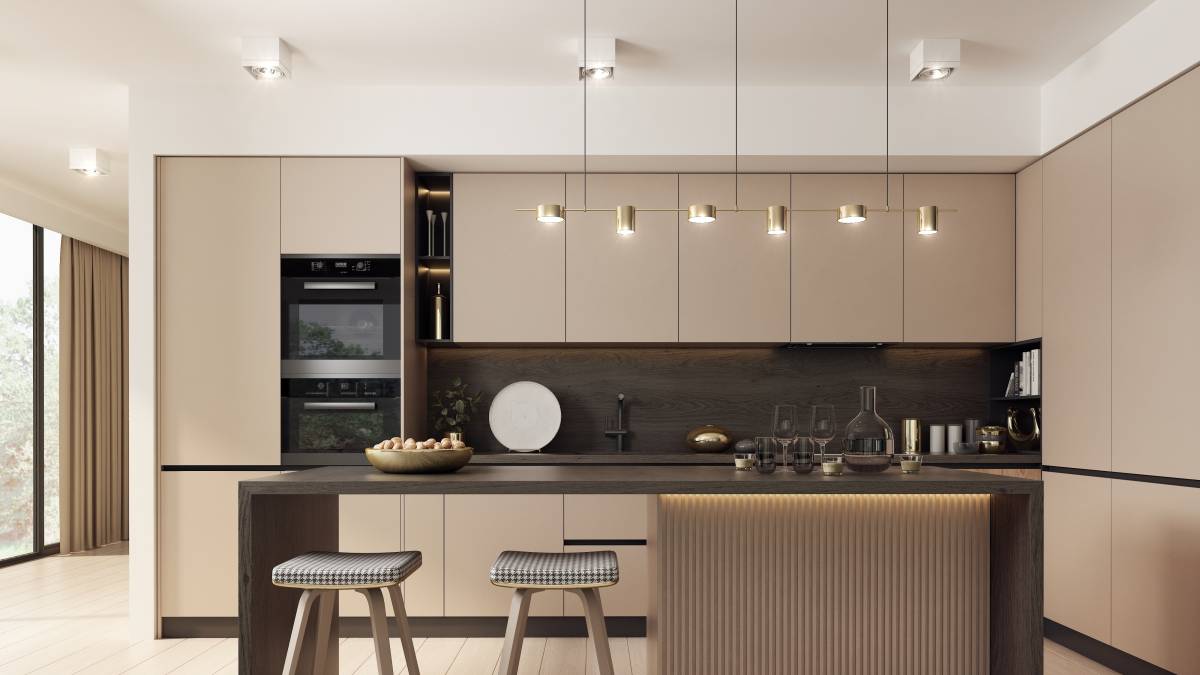
Proper kitchen lighting is not just a design choice—it is a critical factor that directly affects safety, efficiency, and overall usability. A well-lit kitchen reduces accidents, improves visibility during tasks, and creates a comfortable environment for cooking and social interaction. When lighting is planned correctly, the kitchen becomes both practical and inviting.
Why Kitchen Lighting Matters
The kitchen is one of the most active areas in any home. From chopping vegetables to handling hot cookware, visibility plays a vital role in preventing mistakes and injuries.
Well-designed lighting helps:
-
Minimize shadows on work surfaces
-
Improve accuracy during food preparation
-
Reduce eye strain during extended tasks
Without proper illumination, even a beautifully designed kitchen can become unsafe and inefficient.
The Role of Lighting in Kitchen Safety
Preventing Accidents and Injuries
Adequate lighting ensures that sharp tools, hot surfaces, and spills are clearly visible. Poor lighting increases the risk of:
-
Cuts while chopping
-
Burns from stoves and ovens
-
Slips caused by unnoticed spills
Bright, focused light in key areas significantly lowers these risks.
Enhancing Food Safety
Good lighting makes it easier to:
-
Identify spoiled ingredients
-
Read labels and expiration dates
-
Clean surfaces thoroughly
This reduces the chance of food contamination and promotes healthier cooking habits.
Improving Kitchen Functionality Through Lighting
Task Lighting for Precision
Task lighting is essential for areas where detailed work occurs. Common task lighting locations include:
-
Countertops
-
Sinks
-
Cooking ranges
Under-cabinet lights are especially effective, as they illuminate work surfaces without casting shadows.
Ambient Lighting for Overall Visibility
Ambient lighting provides general illumination for the entire kitchen. Ceiling-mounted fixtures or recessed lights ensure even brightness, making movement safer and more comfortable.
Accent Lighting for Visual Clarity
Accent lighting highlights specific features such as shelves or islands. While decorative, it also improves spatial awareness and depth perception within the kitchen.
Lighting Zones for a Well-Balanced Kitchen
Dividing the kitchen into lighting zones ensures each area receives appropriate illumination.
Key lighting zones include:
-
Preparation zone – Bright, focused lighting
-
Cooking zone – Heat-resistant, glare-free lighting
-
Cleaning zone – Clear lighting near sinks and dishwashers
-
Dining or seating zone – Softer, warmer lighting
This layered approach balances safety with comfort.
Energy Efficiency and Smart Lighting
Modern lighting solutions enhance functionality while reducing energy consumption. LED lights are a popular choice due to their longevity and low heat output.
Benefits of energy-efficient lighting:
-
Lower electricity bills
-
Reduced heat buildup
-
Longer lifespan
Smart lighting systems also allow users to adjust brightness and color temperature based on tasks or time of day.
Psychological Impact of Proper Lighting
Lighting affects mood and focus. Bright, cool-toned lighting improves concentration during cooking, while warm lighting creates a relaxed atmosphere for dining and socializing.
A well-lit kitchen feels:
-
More spacious
-
More welcoming
-
Easier to navigate
Conclusion
Proper kitchen lighting is essential for both safety and functionality. By combining task, ambient, and accent lighting, homeowners can create a kitchen that supports daily activities while reducing risks. Thoughtful lighting design enhances visibility, efficiency, and comfort, making the kitchen a safer and more enjoyable space.
Frequently Asked Questions (FAQs)
1. What type of lighting is best for kitchen countertops?
Task lighting, especially under-cabinet lighting, is best for countertops as it provides focused illumination without shadows.
2. How bright should kitchen lighting be?
Brightness depends on the area, but work zones generally require brighter light than dining or seating areas.
3. Can poor lighting really cause kitchen accidents?
Yes, insufficient lighting increases the risk of cuts, burns, and slips due to reduced visibility.
4. Are LED lights suitable for kitchens?
LED lights are ideal for kitchens because they are energy-efficient, long-lasting, and produce minimal heat.
5. Should kitchen lighting be warm or cool?
Cool lighting works well for cooking and prep areas, while warm lighting is better for dining and ambiance.
6. How many lighting layers should a kitchen have?
A functional kitchen typically uses three layers: ambient, task, and accent lighting.
7. Does good lighting increase home value?
Yes, a well-lit kitchen enhances usability and appeal, which can positively impact property value.
