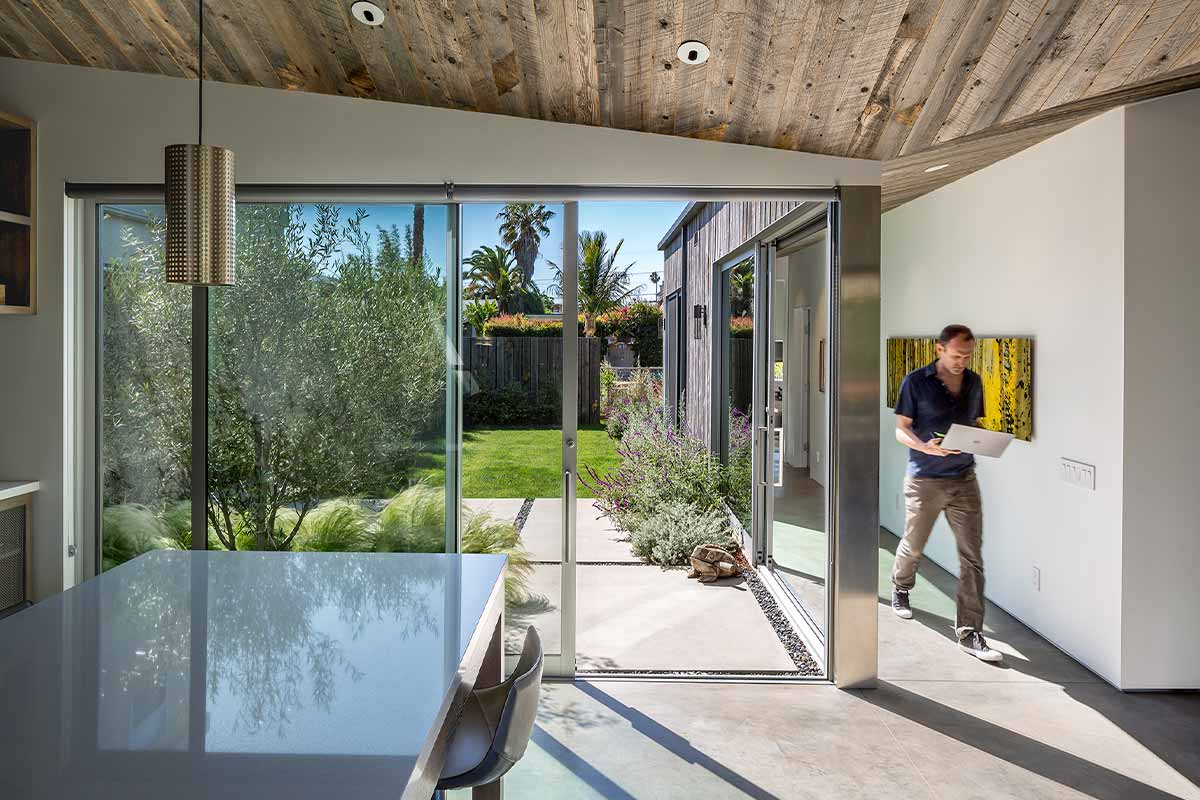
Architecture is more than the act of constructing buildings. It is a thoughtful blend of art, engineering, culture, and technology that shapes how people live, work, and interact with their environment. From ancient stone temples to contemporary glass towers, architecture reflects human ambition, values, and innovation across time.
Understanding Architecture
At its core, architecture focuses on designing spaces that are functional, safe, and visually meaningful. Architects balance creativity with technical precision to ensure structures serve practical needs while enhancing the built environment.
Key aspects of architecture include:
-
Functionality – How a space is used and experienced
-
Aesthetics – Visual appeal, proportion, and harmony
-
Structure – Stability, materials, and construction methods
-
Context – Cultural, social, and environmental influences
A Brief Evolution of Architectural Styles
Architecture has evolved in response to changing societies, technologies, and beliefs. Each era introduced distinct styles that continue to influence modern design.
Classical Architecture
Classical architecture emphasized symmetry, proportion, and order. It laid the foundation for many architectural principles still used today.
Notable characteristics:
-
Columns and pediments
-
Mathematical balance
-
Use of stone and marble
Medieval and Gothic Architecture
During the medieval period, architecture became more expressive and spiritual.
Defining features include:
-
Pointed arches and ribbed vaults
-
Tall spires and stained glass
-
Emphasis on verticality and light
Modern Architecture
Modern architecture emerged as a response to industrialization and urban growth. It favored simplicity and efficiency over ornamentation.
Core ideas:
-
Clean lines and open floor plans
-
Steel, concrete, and glass materials
-
“Form follows function” philosophy
Contemporary Architecture
Today’s architecture is diverse and experimental, often blending multiple styles while integrating advanced technology.
Common trends include:
-
Sustainable and eco-friendly design
-
Smart buildings with digital systems
-
Adaptive reuse of existing structures
The Role of Architecture in Society
Architecture directly influences daily life. Well-designed spaces can improve productivity, well-being, and social interaction.
Its societal impact can be seen in:
-
Urban planning that shapes cities and communities
-
Public buildings that reflect civic identity
-
Residential design that supports comfort and lifestyle needs
Architecture also acts as a cultural record, preserving history while expressing modern values.
Sustainable Architecture and the Future
Sustainability has become a central focus in architectural design. Architects now prioritize reducing environmental impact without compromising comfort or performance.
Sustainable architecture often involves:
-
Energy-efficient layouts and materials
-
Natural lighting and ventilation
-
Water conservation systems
-
Integration of renewable energy
As climate challenges grow, architecture will continue evolving toward resilient and responsible design.
Skills and Mindset of an Architect
Successful architects combine technical expertise with creative thinking. They must understand both human behavior and structural science.
Essential skills include:
-
Spatial visualization
-
Problem-solving and critical thinking
-
Knowledge of materials and construction
-
Collaboration and communication
Architecture is a profession that demands patience, curiosity, and a long-term vision.
Frequently Asked Questions
What is the main purpose of architecture?
Architecture aims to create functional, safe, and aesthetically pleasing spaces that support human activities and enhance the environment.
How does architecture differ from construction?
Architecture focuses on design and planning, while construction is the process of physically building the designed structure.
Why is architecture considered both art and science?
It combines artistic creativity with scientific principles such as engineering, physics, and material technology.
What tools do architects commonly use today?
Architects use digital modeling software, technical drawings, physical models, and project management tools to design and plan buildings.
How long does it take to design a building?
The design phase can take months or even years, depending on the project’s size, complexity, and approval processes.
Can architecture influence mental health?
Yes, factors like natural light, space layout, acoustics, and materials can significantly affect mood, comfort, and well-being.
Is sustainable architecture more expensive?
Initial costs may be higher, but sustainable buildings often reduce long-term expenses through energy efficiency and lower maintenance.
