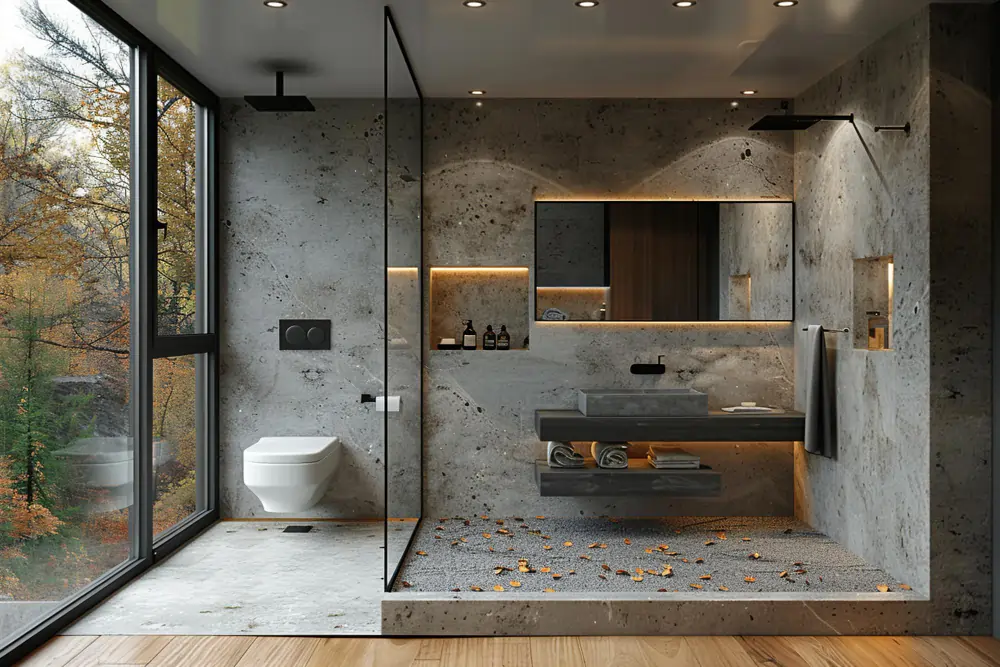
Bathroom design plays a subtle yet powerful role in shaping daily comfort and overall wellbeing. As one of the most frequently used spaces in a home, the bathroom influences how people start and end their day. A well-designed bathroom supports relaxation, efficiency, and mental clarity, while a poorly planned one can add stress and discomfort to everyday routines.
The Connection Between Bathroom Design and Wellbeing
Design impacts more than aesthetics. It affects how the body and mind respond to a space. A balanced bathroom design promotes calmness, cleanliness, and ease of movement, all of which contribute to better physical and emotional health.
Key elements such as lighting, layout, color choices, and materials directly influence mood, energy levels, and comfort.
Layout and Space Planning for Daily Comfort
An efficient layout reduces unnecessary movement and frustration. When essential fixtures are positioned logically, daily routines feel smoother and more intuitive.
Benefits of good layout planning include:
-
Improved accessibility and safety
-
Reduced clutter and visual stress
-
Better flow during busy mornings
Even small bathrooms can feel comfortable when space is used wisely.
Lighting and Its Impact on Mood
Lighting is one of the most influential aspects of bathroom design. Poor lighting can make the space feel harsh or gloomy, while well-planned lighting enhances both function and atmosphere.
Effective bathroom lighting includes:
-
Bright task lighting for grooming and hygiene
-
Soft ambient lighting for relaxation
-
Natural light to boost mood and circadian rhythm
Balanced lighting creates a space that feels welcoming at any time of day.
Color Schemes and Psychological Comfort
Colors affect emotional responses more than most people realize. Calm, neutral tones help create a sense of peace, while overly dark or loud colors may feel overwhelming in an enclosed space.
Popular wellbeing-focused color choices include:
-
Soft whites and warm beiges
-
Light greys and natural stone shades
-
Muted greens or blues for a spa-like effect
These tones encourage relaxation and mental clarity.
Materials and Sensory Experience
The textures and materials used in a bathroom influence how the space feels physically and emotionally. Smooth surfaces, natural finishes, and quality materials contribute to comfort and durability.
Wellbeing-friendly material choices often feature:
-
Non-slip flooring for safety
-
Natural stone or wood accents for warmth
-
Easy-to-clean surfaces for hygiene
A pleasant sensory experience enhances daily routines.
Storage and Mental Clarity
Clutter can create subconscious stress. Adequate storage keeps essential items organized and out of sight, promoting a calmer environment.
Smart storage solutions include:
-
Built-in vanity cabinets
-
Wall-mounted shelving
-
Recessed storage niches
An organized bathroom supports mental ease and focus.
Ventilation and Physical Health
Proper ventilation is essential for maintaining air quality and preventing moisture-related issues. A well-ventilated bathroom reduces the risk of mold and unpleasant odors, directly supporting respiratory health.
Good ventilation also helps preserve fixtures and finishes, improving long-term comfort.
FAQs
1. How does bathroom design affect mental health?
A calm, organized bathroom reduces stress and promotes relaxation, positively influencing mental wellbeing.
2. What is the most important design element for comfort?
Layout and lighting are the most critical factors, as they directly affect usability and mood.
3. Can small bathrooms still promote wellbeing?
Yes, smart layouts, good lighting, and minimal clutter can make small bathrooms feel comfortable and calming.
4. Which colors are best for a relaxing bathroom?
Neutral tones, soft blues, and muted greens are ideal for creating a soothing atmosphere.
5. How does ventilation impact daily comfort?
Proper ventilation improves air quality, reduces humidity, and prevents mold, supporting physical health.
6. Does storage really affect wellbeing?
Yes, organized storage minimizes visual clutter, helping create a calmer and more focused environment.
7. Are natural materials better for bathroom comfort?
Natural materials often feel warmer and more inviting, enhancing sensory comfort and relaxation.
