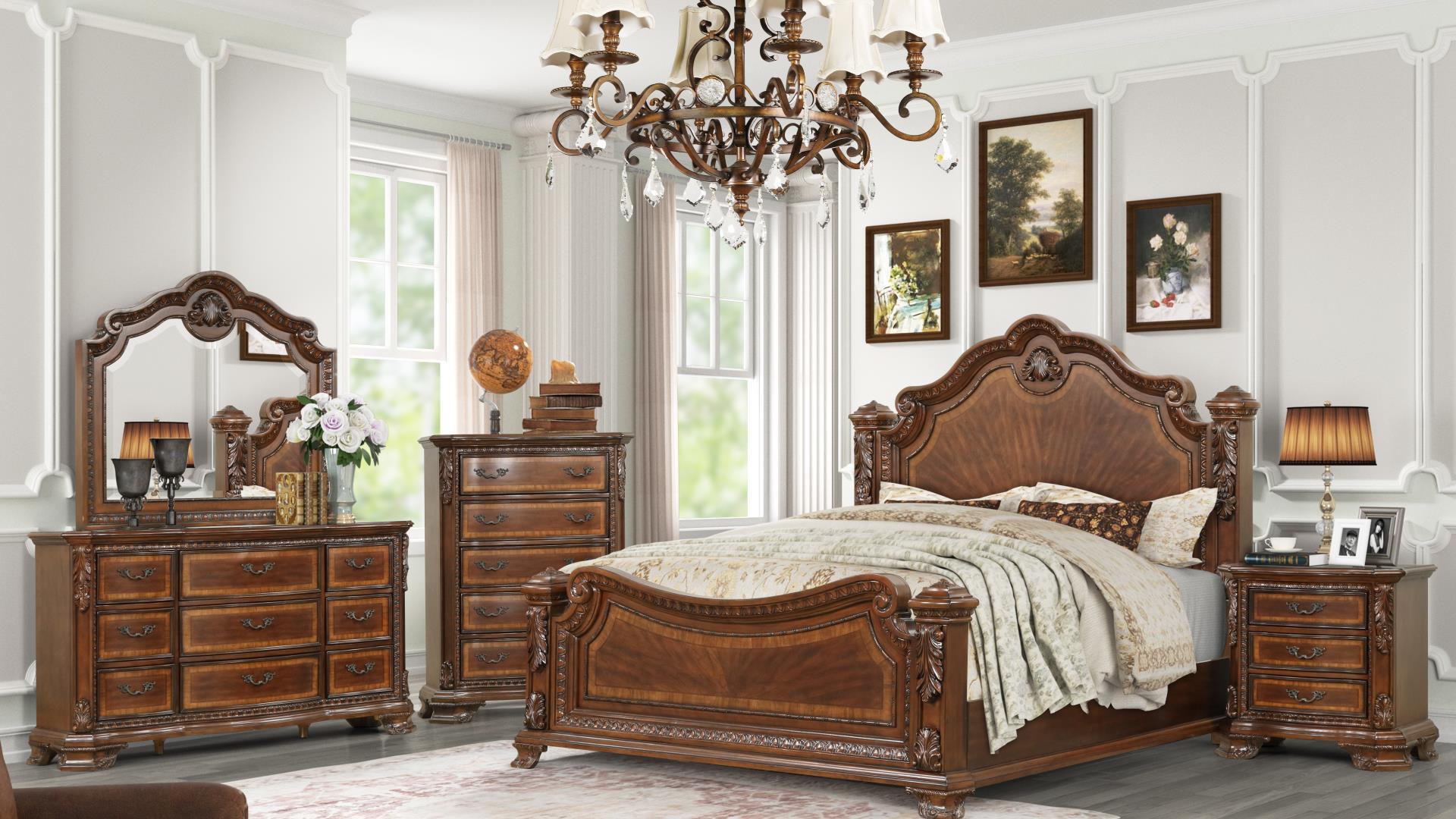
Furniture plays a central role in how a space looks, feels, and functions. From the comfort of a sofa to the practicality of a dining table, well-chosen furniture enhances daily life while reflecting personal style. Understanding furniture types, materials, and design principles helps you make smarter, long-lasting choices.
What Is Furniture and Why It Matters
Furniture refers to movable objects designed to support human activities such as seating, eating, sleeping, working, and storage. Beyond functionality, furniture contributes to comfort, aesthetics, and efficient space utilization in both residential and commercial environments.
Key reasons furniture matters include:
-
Improving usability and organization
-
Enhancing interior design appeal
-
Supporting health and ergonomics
-
Increasing property value and livability
Main Types of Furniture
Furniture can be broadly categorized based on its purpose and placement within a space.
Living Room Furniture
Designed for relaxation and social interaction, living room furniture sets the tone of your home. Common items include:
-
Sofas and sectionals
-
Coffee tables and side tables
-
TV units and bookshelves
Bedroom Furniture
Bedroom furniture focuses on comfort and storage while creating a calm atmosphere. Typical pieces include:
-
Beds and headboards
-
Wardrobes and dressers
-
Nightstands
Dining Room Furniture
Dining furniture supports shared meals and gatherings. Essential items are:
-
Dining tables
-
Dining chairs or benches
-
Buffets and sideboards
Office Furniture
Office furniture is designed to boost productivity and reduce physical strain. It usually includes:
-
Desks and workstations
-
Ergonomic chairs
-
Storage cabinets
Popular Furniture Materials
The material used in furniture affects its durability, maintenance, and overall appearance.
Wood
Wood remains one of the most popular furniture materials due to its strength and timeless appeal.
-
Hardwood (oak, teak, walnut) offers durability
-
Engineered wood provides affordability and consistency
Metal
Metal furniture is known for its modern look and structural stability. It is commonly used in:
-
Industrial-style interiors
-
Outdoor furniture
-
Office settings
Upholstered Fabric and Leather
Upholstered furniture adds comfort and warmth.
-
Fabric upholstery offers variety in color and texture
-
Leather provides a premium look and easy cleaning
Plastic and Composite Materials
Lightweight and budget-friendly, plastic furniture is often used for outdoor or temporary settings.
Furniture Styles and Design Trends
Choosing a furniture style helps maintain visual harmony throughout a space.
Common furniture styles include:
-
Modern – clean lines, minimal detailing
-
Traditional – ornate designs and rich finishes
-
Contemporary – a blend of modern and current trends
-
Rustic – natural textures and earthy tones
-
Minimalist – simplicity with functional focus
How to Choose the Right Furniture
Selecting furniture involves balancing style, function, and budget.
Consider the following factors:
-
Room size and layout to avoid overcrowding
-
Purpose of use for each furniture piece
-
Material durability based on lifestyle needs
-
Comfort and ergonomics, especially for seating
-
Maintenance requirements over time
Furniture Care and Maintenance Tips
Proper care extends the life and appearance of furniture.
Helpful maintenance practices include:
-
Regular dusting and cleaning
-
Avoiding direct sunlight to prevent fading
-
Using protective pads under heavy items
-
Following manufacturer-recommended cleaning methods
The Role of Furniture in Sustainable Living
Sustainable furniture choices reduce environmental impact. Opting for eco-friendly materials, long-lasting construction, and responsible sourcing supports a greener lifestyle while ensuring quality.
Frequently Asked Questions (FAQs)
What is the best furniture material for long-term durability?
Hardwood and high-quality metal furniture are generally the most durable options for long-term use.
How often should furniture be replaced?
Well-maintained furniture can last anywhere from 10 to 25 years, depending on material quality and usage.
Is custom furniture better than ready-made furniture?
Custom furniture offers tailored sizing and design, while ready-made furniture is more affordable and readily available.
How can furniture improve small spaces?
Multi-functional and space-saving furniture helps maximize usability without cluttering small rooms.
What should I consider when buying furniture online?
Check dimensions, material details, customer reviews, and return policies before purchasing.
How do I maintain upholstered furniture?
Vacuum regularly, treat stains promptly, and use fabric protectors when recommended.
Does furniture style affect resale value of a home?
Yes, neutral and timeless furniture styles often appeal to a broader audience and can enhance resale appeal.
