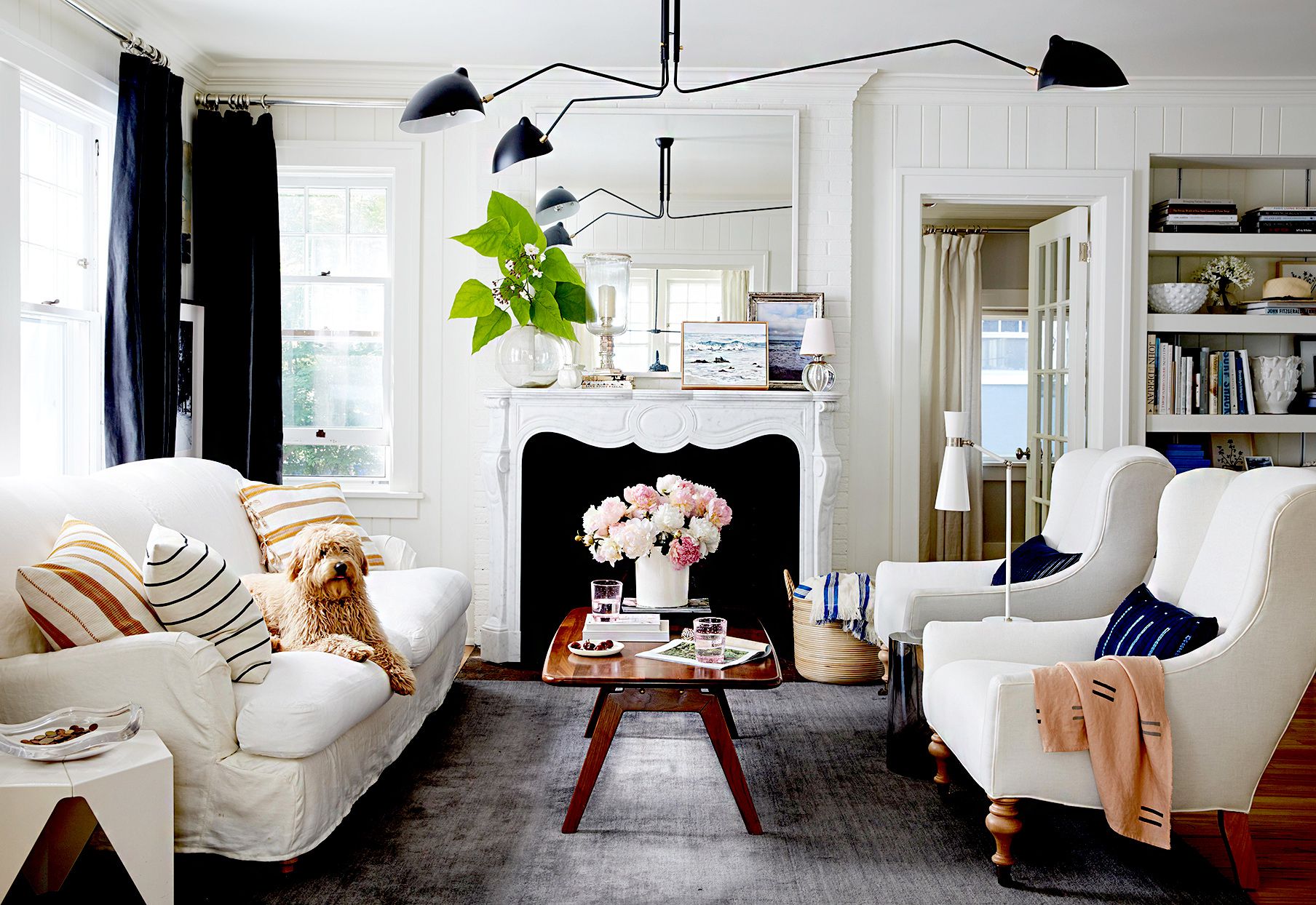
A well-designed home does more than look appealing. It directly influences emotional balance, stress levels, and overall mental well-being. The way spaces are arranged, lit, and personalized can either support peace of mind or contribute to daily tension. Thoughtful home design creates an environment where the mind can relax, focus, and recover.
The Connection Between Home Design and Mental Health
Human psychology is deeply affected by surroundings. When a home feels chaotic or uncomfortable, it can increase anxiety and mental fatigue. In contrast, intentional design promotes calmness and emotional stability.
A supportive home environment helps:
-
Reduce stress and sensory overload
-
Encourage relaxation and better sleep
-
Improve focus and emotional regulation
-
Create a sense of safety and control
Mental health thrives in spaces that feel predictable, comfortable, and aligned with personal needs.
Natural Light and Its Psychological Benefits
Light plays a critical role in emotional well-being. Homes designed to maximize natural light support healthier mental rhythms.
Benefits of natural light include:
-
Improved mood and reduced depressive symptoms
-
Better sleep patterns and circadian balance
-
Increased energy and motivation
Large windows, light-colored walls, and open layouts allow sunlight to flow freely, creating a brighter and more uplifting atmosphere.
Color Choices and Emotional Impact
Colors influence emotions more than many people realize. A well-designed home uses color intentionally to support mental calm.
Effective color strategies include:
-
Soft neutrals for relaxation and clarity
-
Muted blues and greens for stress reduction
-
Warm tones in moderation to encourage comfort
Avoiding overly harsh or chaotic color combinations helps prevent visual stress and emotional fatigue.
Layout and Flow Reduce Daily Stress
A cluttered or poorly planned layout can cause frustration and mental overload. Thoughtful spatial flow allows daily activities to feel easier and more natural.
Well-planned layouts:
-
Minimize unnecessary movement and obstacles
-
Create clear boundaries between work, rest, and social areas
-
Encourage a sense of order and predictability
When a home flows smoothly, the mind follows.
The Importance of Decluttered Spaces
Clutter is closely linked to increased anxiety and reduced focus. A well-designed home prioritizes storage and simplicity.
Mental benefits of decluttering include:
-
Lower stress and overwhelm
-
Improved concentration
-
Greater sense of control and calm
Designing with storage solutions and minimal décor helps maintain a peaceful visual environment.
Personalization and Emotional Comfort
Mental health improves when a home reflects personal identity. Generic spaces often feel emotionally distant, while personalized homes create comfort and belonging.
Personal touches may include:
-
Meaningful photographs or artwork
-
Favorite textures and materials
-
Design choices aligned with lifestyle and values
This emotional connection transforms a house into a psychologically safe space.
Nature Inspired Design and Mental Well Being
Bringing elements of nature indoors has proven mental health benefits. Natural materials and greenery create a soothing sensory experience.
Nature-focused design elements include:
-
Indoor plants
-
Natural wood or stone finishes
-
Soft textures and organic shapes
These features help reduce anxiety and restore mental balance.
Dedicated Spaces Support Emotional Balance
Modern homes benefit from clearly defined zones. Mental health improves when activities have appropriate spaces.
Examples include:
-
Quiet areas for rest and reflection
-
Functional workspaces for focus
-
Comfortable social spaces for connection
Clear separation prevents mental exhaustion caused by overlapping roles and constant stimulation.
Why Design Matters More Than Ever
As people spend more time at home, design has become a key mental health factor. A well-designed home acts as a buffer against external stress and daily pressures.
It becomes a place to:
-
Recharge emotionally
-
Build healthy routines
-
Feel grounded and supported
Design is not a luxury—it is an investment in mental well-being.
Frequently Asked Questions (FAQs)
How does home design affect stress levels?
Good design reduces visual clutter, improves comfort, and creates calm environments that lower daily stress.
Can small homes still support good mental health?
Yes, smart layouts, proper lighting, and minimal clutter can make small homes mentally supportive.
What design element has the biggest impact on mental health?
Natural light, clutter control, and calming color choices have the strongest psychological effects.
Does home décor really influence emotions?
Yes, colors, textures, and personal items directly affect mood and emotional comfort.
How can renters improve mental health through home design?
Renters can focus on lighting, organization, removable décor, and personal touches without structural changes.
Are plants important for mental well-being at home?
Indoor plants help reduce anxiety, improve air quality, and create a calming atmosphere.
Is home design linked to productivity and focus?
A well-designed home with dedicated spaces improves concentration and mental clarity.
