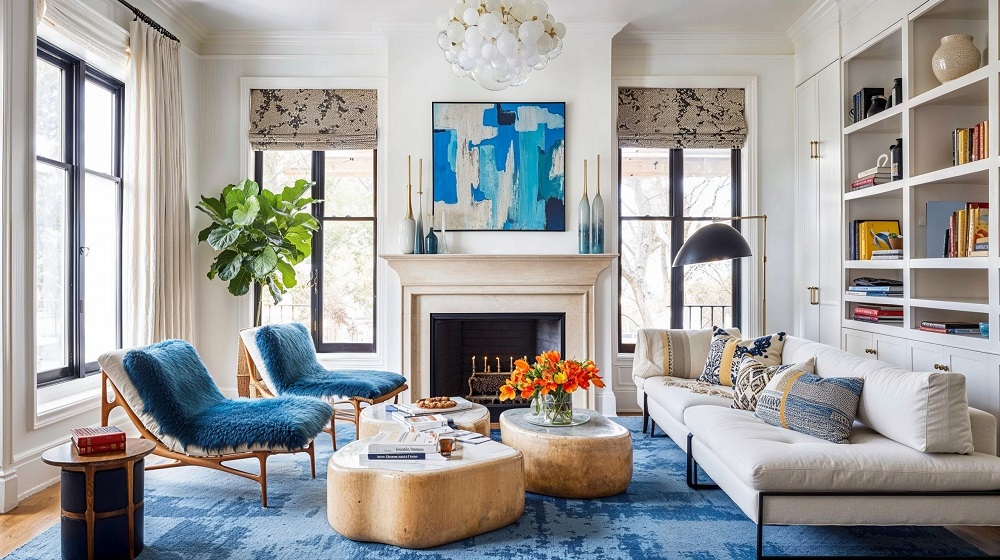
Interior design is more than arranging furniture or choosing colors. It is a thoughtful process that blends functionality, aesthetics, and personal expression to transform spaces into comfortable, efficient, and visually appealing environments. Whether designing a home, office, or commercial space, interior design shapes how people live, work, and feel within a space.
Understanding the Essence of Interior Design
Interior design focuses on improving the interior of a space to achieve a healthier and more pleasing environment. It involves careful planning, creativity, and technical knowledge to ensure every element works together seamlessly.
Key aspects of interior design include:
-
Space planning and layout
-
Color psychology and lighting
-
Material and texture selection
-
Furniture and décor coordination
Key Principles of Effective Interior Design
Strong interior design is built on foundational principles that guide decision-making and ensure balance throughout a space.
Balance and Proportion
Balance creates visual stability. This can be achieved through:
-
Symmetrical balance for formal, classic spaces
-
Asymmetrical balance for modern, dynamic interiors
Proportion ensures that furniture and décor fit the scale of the room without overwhelming it.
Harmony and Unity
Harmony brings all elements together through consistent:
-
Color palettes
-
Materials and finishes
-
Design themes
A unified space feels intentional and cohesive rather than cluttered.
Functionality and Flow
A beautifully designed room must also be practical. Good interior design prioritizes:
-
Easy movement between areas
-
Furniture placement that supports daily activities
-
Smart storage solutions
Popular Interior Design Styles
Interior design styles reflect lifestyle preferences and cultural influences. Some of the most popular styles include:
-
Modern Design – Clean lines, neutral colors, and minimal ornamentation
-
Minimalist Design – Simplicity, open spaces, and functional pieces
-
Scandinavian Design – Light tones, natural materials, and cozy textures
-
Traditional Design – Classic furniture, rich colors, and elegant details
-
Industrial Design – Raw materials, exposed elements, and urban aesthetics
Each style can be customized to suit individual needs and tastes.
The Role of Color, Light, and Texture
Color Selection
Colors influence mood and perception. For example:
-
Soft neutrals promote calm and openness
-
Bold colors add energy and personality
-
Dark tones create depth and intimacy
Lighting Design
Lighting enhances both functionality and ambiance. Effective interiors use:
-
Ambient lighting for overall illumination
-
Task lighting for focused activities
-
Accent lighting to highlight architectural features
Texture and Materials
Combining textures such as wood, metal, fabric, and stone adds visual interest and warmth to interiors.
Sustainable Interior Design Practices
Sustainability is becoming a core element of modern interior design. Eco-conscious choices benefit both the environment and long-term living quality.
Sustainable design practices include:
-
Using energy-efficient lighting and appliances
-
Choosing eco-friendly materials like bamboo or recycled wood
-
Maximizing natural light and ventilation
-
Investing in durable, timeless furniture
Why Interior Design Matters
Well-designed interiors improve quality of life by:
-
Enhancing comfort and usability
-
Reflecting personal or brand identity
-
Increasing property value
-
Supporting mental well-being through thoughtful design
Interior design is not just about appearance—it’s about creating spaces that truly work for the people who use them.
Frequently Asked Questions (FAQ)
What is the difference between interior design and interior decorating?
Interior design focuses on space planning, functionality, and structural elements, while interior decorating emphasizes surface-level aesthetics like furniture and accessories.
How do I choose the right interior design style for my home?
Start by assessing your lifestyle, preferences, and how you use each space. Combining inspiration with practicality leads to the best results.
Is interior design important for small spaces?
Yes, professional interior design can maximize space efficiency, improve storage, and make small areas feel more open and comfortable.
How long does an interior design project usually take?
The timeline varies depending on project size and complexity, ranging from a few weeks for simple updates to several months for full renovations.
Can interior design increase property value?
Thoughtful interior design can significantly enhance property appeal, making it more attractive to buyers or tenants.
What role does lighting play in interior design?
Lighting affects mood, functionality, and visual perception, making it a critical component of any successful interior design.
Is sustainable interior design more expensive?
While initial costs may be slightly higher, sustainable design often saves money long-term through energy efficiency and durable materials.
